
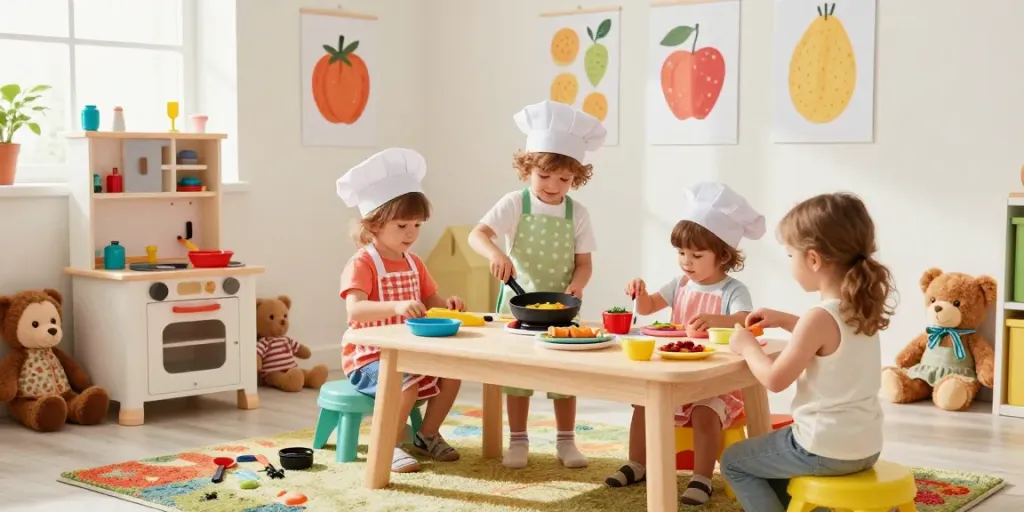
Understanding the Importance of a Kids Kitchen
Play kitchens are not just toys; they are powerful tools that foster creativity and learning in children. Setting up a kids kitchen enables children to engage in imaginative play, helping them to develop essential life skills and emotional intelligence. By mimicking real-life experiences, children learn about food, cooking, and the roles within a household. Additionally, this type of play promotes social interaction, making it an integral part of early childhood development. When exploring options, kids kitchen sets provide a comprehensive insight into the various styles and functionalities available, ensuring that you choose the right fit for your little chef.
Why Play Kitchens Matter for Child Development
The significance of play kitchens extends far beyond mere entertainment. They serve as a platform for children to experiment with different roles and responsibilities. Through role-playing, kids learn the dynamics of sharing, cooperation, and negotiation, which are crucial for their social development. Additionally, these playsets encourage physical activity, fine motor skill enhancement, and cognitive growth as children navigate tasks such as mixing ingredients or setting the table. Thus, investing in a play kitchen is investing in a child's holistic growth.
Key Benefits of Role Play in Early Childhood
Role play is a vital aspect of childhood that benefits children in numerous ways. It fosters creativity by allowing kids to invent stories, solve problems, and explore new ideas. Furthermore, role play can enhance communication skills as children articulate their thoughts and feelings while engaging with peers. It also plays a significant role in emotional development, helping children understand and express their emotions better. Play kitchens, in particular, make it easy for children to recreate family scenarios, practice empathy, and conceptualize their world.
How Kids Kitchen Sets Enhance Creativity and Imagination
Kids kitchen sets come in numerous styles, sizes, and themes, providing an excellent backdrop for imaginative play. Whether it's a classic wooden setup or a modern plastic version with lights and sounds, these play kitchens allow children to immerse themselves in their culinary adventures. The varied accessories, from play food to utensils, encourage kids to think creatively about meals and hosting imaginary dinner parties. Through this imaginative framework, children can express their individuality and develop personal narratives, making play kitchens a cornerstone of creative expression.
Choosing the Right Kids Kitchen
With a plethora of options available, selecting the right kids kitchen can feel overwhelming. It's essential to consider what features match your child's needs and interests. Look for kitchens that cater to different age groups, with age-appropriate designs that ensure both safety and fun. Additionally, some sets can be expanded with accessories, allowing your children to add more complexity to their play over time.
Types of Kids Kitchen Sets Available
Kids kitchens come in various types, catering to different preferences and playstyles. Here are some popular options:
- Wooden kitchens: Durable and sturdy, wooden kitchens often feature a classic aesthetic that appeals to many parents.
- Plastic kitchens: Lightweight and often equipped with interactive features, these kitchens are easy to move around and clean.
- Compact kitchens: Perfect for smaller spaces, these playsets often include essential features without taking up too much room.
- Multifunctional kitchens: Some kitchens offer additional play features, such as a grill or play food storage, providing even more ways to play.
Factors to Consider: Age Appropriateness and Safety
When selecting a kids kitchen, age appropriateness is crucial. Many manufacturers provide age recommendations to help parents choose wisely. Safety features should also be a top priority; ensure that any play kitchen set is free from small parts that could pose choking hazards, has rounded edges to prevent injuries, and is made of non-toxic materials. Always check for safety certifications, ensuring that the kitchen meets the necessary standards.
Top Brands for Kids Kitchen Sets in 2026
As of 2026, several brands stand out for their quality and innovation in the kids kitchen market. Among the leaders are:
- KidKraft: Known for its durable wooden kitchens that offer a range of styles.
- Melissa & Doug: Their kitchens are designed to encourage imaginative play with high-quality materials.
- Step2: Famous for their large, interactive kitchens that feature realistic sounds and lights.
- Tiny Land: Offers beautifully crafted wooden kitchens that emphasize aesthetics and functionality.
Setting Up Your Ideal Kids Kitchen Space
Creating a dedicated area for your kids kitchen can enhance the play experience significantly. An inviting play space allows for greater engagement and enjoyment of role-play scenarios. Here are some tips for setting up an ideal kitchen environment for your children.
Creating a Safe and Inviting Play Area
To set up an inviting space, choose a well-lit area where children can play freely. Make sure the space is clutter-free to avoid accidents. Incorporate colourful decorations and accessories that stimulate creativity. Additionally, consider using soft rugs or mats to create a comfortable, safe surface for play. By designing a welcoming environment, you encourage longer and more engaged play sessions.
Organizing Play Food and Accessories Effectively
Storage solutions can significantly impact how your children interact with their kitchen sets. Use bins, baskets, or shelving units to keep play food and utensils organized. Consider labelling containers to help children learn about categorization and organisation skills. This not only makes it easier for children to find what they need but also encourages responsibility in tidying up after play sessions.
Incorporating Educational Elements into Play Kitchens
Integrating educational elements into playtime can enhance the learning experience. For instance, consider involving your child in simple math activities, such as counting pieces of play food or measuring ingredients during pretend cooking. You could also introduce discussions about nutrition, encouraging children to make healthy food choices while they play. This holistic approach turns play kitchens into valuable educational tools.
Engaging Activities for Kids in the Kitchen
Once your kids kitchen is set up, the next step is to stimulate your child's imagination through engaging activities. Here are some fun ideas that involve cooking and learning.
Fun Recipes for Pretend Cooking
Encourage your children to create fun recipes using their play food. You could suggest making a "pizza" with various toppings or a "soup" with different ingredients. Role-playing as chefs and waiters can add depth to their imaginary cooking experiences, fostering both creativity and social skills.
Incorporating STEM Learning into Kitchen Play
Play kitchens can seamlessly integrate STEM learning (Science, Technology, Engineering, and Mathematics) through fun activities. For instance, you can demonstrate simple scientific concepts, such as mixing colours or understanding temperature (hot vs. cold) using their pretend stove. Encourage problem-solving skills by setting challenges, like cooking with specific ingredients or following a "recipe" they create themselves.
Role Play Scenarios to Encourage Social Interaction
Using the kitchen for role play can help children enhance their social skills. Encourage scenarios like hosting a dinner party or opening a restaurant. Role-playing different characters allows children to step into the shoes of various roles, fostering empathy and teaching them about collaboration and teamwork.
Maintaining and Updating Your Kids Kitchen Set
To ensure that your kids kitchen remains engaging and safe, regular maintenance is essential. Over time, as children grow, their needs may change, and the kitchen set may need updates.
Tips for Cleaning and Maintaining Toys
Cleaning play kitchens should be part of regular maintenance. Use mild soap and warm water for plastic toys and damp cloths for wooden surfaces. Regularly inspect the set for any loose parts that could pose safety hazards. Keeping the kitchen clean not only ensures a hygienic play environment but also prolongs the lifespan of the toy.
When to Upgrade or Replace Kitchen Sets
As children grow, their interests and needs change, which may necessitate an upgrade or replacement. If your child shows signs of outgrowing their current kitchen or has expressed interest in more complex play scenarios, it may be time to explore new options. Consider factors like how often they engage in cooking play and whether they are still enjoying their current set.
Future Trends in Kids Kitchen Sets and Accessories for 2026
The market for kids kitchen sets is ever-evolving, with trends focusing on enhanced interactivity and eco-friendly materials. In 2026, we anticipate more brands will incorporate technology into play kitchens, such as apps that link to the kitchen, providing virtual cooking lessons or interactive games. Additionally, a growing emphasis on sustainability is likely to result in more products made from recycled materials, appealing to environmentally conscious families.
What is the best kitchen for kids?
Choosing the best kitchen depends on your child's age, interests, and safety needs. Look for interactive features, quality materials, and the opportunity for imaginative play.
What age to get rid of kids kitchen?
Typically, children start losing interest in play kitchens around the ages of 8-10. However, many factors influence this, including the child's ongoing interest in role play and the kitchen's functionality.
How much does a kitchen set for kids cost?
Prices for kids kitchen sets can range from £30 for basic models to over £200 for premium options with extensive features.
Where can you buy kids kitchens?
Kids kitchens can be found in various retail locations, including toy stores, online marketplaces, and specialty children's shops.
What features to look for in a kids kitchen set?
Essential features to consider include safety certifications, age-appropriate designs, durability, and the inclusion of interactive elements that foster imaginative play.